De leden van de D66-fractie hebben kennisgenomen van de nota naar aanleiding van het verslag. Deze leden zijn nog altijd voorstander van een auteurscontractenrecht. De maker kan een dergelijke steuntje in de rug zeker gebruiken. Wel hebben zij nog enkele vragen over de exacte invulling van het wetsvoorstel.De leden van de PvdA-fractie merken op dat artikel 1 van de Auteurswet bepaalt dat het auteursrecht uitsluitend het recht is van de maker van een werk van letterkunde, wetenschap of kunst. Valt onder ‘maker’ ook de freelance journalist? Zo, ja deelt de regering de mening dat een exploitant een auteur nooit mag dwingen zijn auteursrecht af te staan om zijn product geëxploiteerd dan wel in een blad geplaatst te krijgen, dan wel een factuur betaald te krijgen. Is dat niet een onredelijk verzwarende contractsbepaling? De leden van de PvdA-fractie vragen of de non usus-bepaling ook omgekeerd kan worden ingezet. Dat wil zeggen dat een maker die meent dat een werk verminkt of anderszins geweld aan wordt gedaan zijn recht terug kan eisen. Deze leden menen dat het niet zo kan zijn dat een distributeur die naar de mening van de maker teveel exploiteert en het gemaakte voor andere doeleinden gebruikt dan waarvoor het oorspronkelijk is gemaakt de dupe wordt. Onderschrijft de regering dit? Zo ja, welke consequenties verbindt zij daaraan? Expliciet wordt aangegeven dat de vergoeding voor (film)makers ‘proportioneel’ moet zijn. Dat betekent dat niet langer kan worden volstaan met een eenmalige afkoop. De maker dient mee te delen in de opbrengsten van de exploitatie van een filmwerk. De leden van de PvdAfractie vinden echter dat de praktijk waarbinnen de proportionele vergoeding volgens het wetsvoorstel moet worden gerealiseerd geen perspectief biedt op het daadwerkelijk kunnen verzilveren van deze vergoeding. Deelt de regering deze mening? De filmmakers kunnen zich volgens het wetsvoorstel alleen rechtstreeks tot de exploitant wenden als de producent de rechten aan de derde (exploitant) heeft overgedragen. Doorgaans worden deze rechten echter niet overgedragen maar gelicentieerd, waardoor de rechtstreekse aanspraak van de filmmaker op de exploitant in veruit de meeste gevallen zal ontbreken. De onderhandelingspositie van de producent en de maker zijn in het geding. Erkent de regering dit beeld? Deelt de regering de mening van de filmmakers dat hun belangen met betrekking tot het maken van afspraken over hun proportionele vergoeding beter behartigd kunnen worden door hun eigen collectieve beheersorganisatie, die zij zelf besturen, dan door een producent? Is, dan de conclusie gerechtvaardigd dat de proportionele vergoeding niet door de producent, maar door de exploitant aan de filmmaker verschuldigd zou moeten zijn? Zo nee, waarom niet? In de nota naar aanleiding van het verslag lezen de leden van de PvdA-fractie dat het vermoeden van rechtenoverdracht weerlegbaar is, zodat de maker in staat is om iets anders overeen te komen dan de wet bepaalt. Een systeem van verplicht collectief beheer zoals voorgesteld door het Portal Audiovisuele Makers (PAM) of een systeem waarbij de maker afhankelijk is van de medewerking van de producent voordat hij over zijn rechten kan beschikken, grijpt veel meer in de contractsvrijheid van de maker dan het thans voorgestelde systeem. Het voorgestelde model van het PAM beoogt echter uitsluitend de collectieve uitoefening van de aanspraak op de proportionele vergoeding te regelen en beperkt daarmee niet de contractsvrijheid van de scenarioschrijver, regisseur en acteur. Deelt de regering deze zienswijze? Zo nee, waarom niet?
In de nota naar aanleiding van het verslag lezen de leden van de PvdA-fractie dat het eerdere voorstel om economische redenen tot een niet-overdraagbaar auteursrecht (en periodiek overdraagbare licenties) te verstrekkend zou zijn. Deze leden vragen waarom niet wordt ingegaan op de door de Platform Makers ingebrachte vraag dat een opzegbaar muziekauteursrecht in de VS wel economisch mogelijk blijkt? Is de regering alsnog bereid de niet-overdraagbaarheid van het auteursrecht met een in de tijd beperkte exclusieve licentie in de wet Auteurscontractenrecht op te nemen? Zo nee, waarom is de regering van mening dat een opzegbaar auteursrecht, dat voor muziekauteurs in de Verenigde Staten economisch mogelijk is gebleken, voor Nederland niet wenselijk is?
In de nota naar aanleiding van het verslag wordt gesteld dat een ruimer gebruik dan is overeengekomen op basis van het contract kan worden gecompenseerd. In het geval dat alle rechten zijn overgedragen, biedt het contract geen uitkomst. De leden van de PvdA-fractie vragen of de regering zich ervan bewust is dat exclusieve opdrachtovereenkomsten, waarbij geen sprake is van exploitatie in de zin van artikel 25, eerste lid, van de wet auteurscontractenrecht, de overeengekomen vergoeding een ernstige onevenredigheid kan vertonen in verhouding tot de waarde van het werk? Zou dan in artikel 25b, tweede lid, van de wet auteurscontractenrecht opgenomen moeten worden dat naast artikel 25f ook artikel 25d van de wet auteurscontractenrecht op alle auteurscontracten van toepassing zou moeten zijn? Zo nee, waarom niet?
De leden van de PvdA-fractie constateren dat het bij de fictieve makers en de rechtspersonen niet gaat om zwakkere partijen, waardoor deze dus niet de bescherming van het auteurscontractenrecht nodig hebben. Zij kunnen zich beroepen op reflexwerking wanneer zij materieel gesproken niet te onderscheiden zijn van een natuurlijke maker. Deze leden vragen wat daaronder wordt verstaan. Wordt hieronder tevens verstaan dat een rechtspersoon bestaande uit meer dan één maker, die in verhouding tot een grote exploitant in een duidelijk ondergeschikte positie, vergelijkbaar met die van een natuurlijke maker, verkeert? De leden van de PvdA-fractie vragen waarom de regering niet is ingegaan op de vraag van het Platform Makers dat het auteurscontractenrecht bescherming zou moeten bieden aan de natuurlijke maker die op grond van artikel 3:28 en 3:29 Beneluxverdrag voor de Intellectuele Eigendom (BVIE) zijn auteursrechten kwijtraakt. Kan de regering alsnog ingaan op deze vraag?
Voornoemde leden vragen of de regering zich ervan bewust is dat in de situatie dat een (natuurlijke) maker al zijn rechten (gedwongen) heeft overgedragen aan een opdrachtgever en de opdrachtgever alsnog overgaat tot exploitatie, deze maker noch wettelijk (auteurscontractenrecht) noch contractueel (alle rechten overgedragen) aanspraak heeft op een billijke vergoeding (of de overige bescherming uit het auteurscontractenrecht)? Acht de regering het wenselijk dat een natuurlijke maker in dat geval alsnog een beroep op het auteurscontractenrecht kan doen?
In de nota naar aanleiding van het verslag lezen de leden van de PvdA-fractie dat een uitzondering op het mededingingsrecht Europeesrechtelijk niet mogelijk is. In de Duitse Auteurswet is echter al vele jaren een dergelijke uitzondering op het mededingingsrecht opgenomen. Waarom is dat voor Nederland dan niet mogelijk?
Dit wetsvoorstel heeft nadrukkelijk tot doel onevenwichtigheden in de relatie tussen makers en exploitanten in de culturele markt te corrigeren ten gunste van de maker. In de discussie over de vraag of er een geschillencommissie voor auteurs- en artiestencontracten zou moeten zijn richt de regering zich op een verantwoordelijkheid van de markt. Deelt de regering de mening dat de totstandkoming en de vaststelling van bevoegdheden van een belangrijk instituut met het doel de markt te reguleren in beginsel niet aan de markt kan worden overgelaten? Zo nee, waarom niet?
De leden van de PvdA-fractie vragen of de regering alsnog kan ingaan op de vraag van het Platform Makers of bevestigd kan worden dat, wanneer de uitvoerend kunstenaar zijn rechten na een non-usus ontbinding heeft teruggekregen van de producent, het niet de bedoeling is dat de producent op basis van zijn eigen recht op de vastlegging, de verdere exploitatie kan tegengaan? Kan de regering ingaan op de, ook na beantwoording van vragen in de nota naar aanleiding van het verslag, aanhoudende zorgen over de regeling van de exploitatierechten op filmwerken in artikel 45d zoals verwoord in de brief van de Documentaire Producenten Nederland (DPN), Filmproducenten Nederland (FPN), en de Vereniging voor Nederlandse Animatie Producenten (VNAP) van 11 juni 2013? Kan de regering daarbij specifiek ingaan op de genoemde knelpunten en onbeantwoorde vragen? De Nederlandse filmsector mag niet in een nadelige positie worden gebracht. Deelt de regering de mening dat het risico van rechtsonzekerheid en verspilling van energie en financiële middelen aan juridische procedures koste wat kost moeten worden voorkomen?
Alles overziend, constateren de leden van PvdA-fractie dat de nota aan aanleiding van het verslag veel vragen onbeantwoord, of open laat. Er worden te weinig handvatten gegeven teneinde partijen in de onderhandelingen richtlijnen te verschaffen. Deze leden vragen of dit niet tot veel juridische procedures zal leiden. Deelt de regering de mening dat dit onwenselijk is en dat daarom handvatten noodzakelijk zijn?
De leden van de PVV-fractie merken op dat het vanuit economisch perspectief belangrijk is de markt goed te laten functioneren. Daarom hebben partijen duidelijkheid, in de vorm van handvatten nodig. Kan de regering in dit verband ingaan op de bevindingen in het rapport Digitale Drempels, met name op het gebied van exploitatie van filmwerken? Kan de regering uitleggen waarom niet is gekozen voor een aparte regeling voor filmwerken, zoals ook de Commissie Auteursrecht adviseerde?
Verschillende organisaties, zoals het Platform Creative Media Industrie, de DPN, FPN en de VNAP hebben eerder al hun zorg uitgesproken over de open normen die het wetsvoorstel hanteert. Is de regering bereid de consistentie te vergroten en de rechtsonzekerheid te verminderen door de rechter nadere handvatten te bieden waarmee deze geïntroduceerde open normen zo compleet en zorgvuldig mogelijk kunnen worden ingevuld?
De leden van de PVV-fractie vragen de regering aan te geven waarom een specifiek onderzoek naar de economische gevolgen van het wetsvoorstel niet nodig wordt geacht. Is de regering bereid dit alsnog te doen gelet op de kritiek van allerlei organisaties?
De regering stelt dat het bij fictieve makers en rechtspersonen niet gaat om zwakkere partijen en dat deze dus niet de bescherming van het wetsvoorstel nodig hebben. Wel kunnen zij zich beroepen op reflexwerking wanneer zij materieel gesproken niet te onderscheiden zijn van een natuurlijke maker. De leden van de PVV-fractie vragen, samen met het Platform Makers, wat de regering bedoelt met materieel gesproken niet te onderscheiden van een natuurlijke maker. Kan hieronder ook worden verstaan een rechtspersoon bestaande uit meer dan één maker, die in verhouding tot een grote exploitant in een duidelijk ondergeschikte positie, vergelijkbaar met die van een natuurlijke maker, verkeert?
De leden van de D66-fractie lezen dat een niet-overdraagbaar auteursrecht en de periodiek opzegbare licenties te verstrekkend zijn. Zij wijzen daarbij op de Verenigde Staten en vragen waarom dit aldaar niet te verstrekkend is. Welke dwingende verschillen ziet de regering? Deze leden zien dat de regering een onderscheid maakt tussen natuurlijke personen en fictieve personen wat betreft hun onderhandelingskracht en dat dit vertaald wordt in het wetsvoorstel. Zij merken op dat het de regering vooral te doen is om het verschil in onderhandelingskracht. Zij vragen of het mogelijk is in de relevante wetsartikelen in te zetten op het verschil in onderhandelingskracht (zij het een natuurlijk, zij het een fictief persoon) om zodoende meer recht te doen aan de geest van het wetsvoorstel.
Voornoemde leden stellen vast dat een van de vragen van het Platform Makers niet beantwoord is. Kan de regering bevestigen dat, wanneer de uitvoerend kunstenaar zijn rechten na een non-usus ontbinding heeft teruggekregen van de producent, het niet de bedoeling is dat de producent op basis van zijn eigen recht op vastlegging, de verder exploitatie kan tegengaan?
De leden van de D66-fractie wijzen op het rapport Digitale Drempels. Daarin wordt expliciet benoemd dat de overdracht op voorhand van rechten aan Collectieve Beheersorganisaties (CBO) de exploitatie, met name in het buitenland, kan hinderen. Herkent de regering de hierin geschetste risico’s en hoezeer denkt zij met het onderhavige wetsvoorstel in het bijzonder artikel 45d hiervoor een oplossing te creëren? Voorts willen deze leden weten of er een beter voorstel denkbaar is, bijvoorbeeld door te kiezen voor overdracht naar de producent in combinatie met een billijke vergoeding. Kan gesteld worden dat een billijke vergoeding van de producent naar de maker de noodzaak van een CBO wegneemt?
De leden van de D66-fractie merken op dat in dit wetsvoorstel exclusieve overdrachtovereenkomsten, waarbij geen sprake is van exploitatie in de zin van de wet, uitgezonderd worden van de extra rechten in deze wet zoals bijvoorbeeld tegen onredelijke bepalingen of de bestsellerclausule. Deelt de regering de mening dat er bij beeldmakers allerlei situaties denkbaar zijn waarbij dit onterecht is. Is het wenselijk bij de bestsellerclausule ook de niet-exploitatiecontracten op te nemen?
Voorts valt het deze leden op dat in vrijwel alle artikelen van dit wetsvoorstel is gekozen voor open bepalingen. De ervaring is dat dit er uiteindelijk toe leidt dat een rechter een oordeel moet vellen na een hoogopgelopen rechtszaak. Kan de regering uitleggen waarom er niet is gekozen voor scherper geformuleerde artikelen of in ieder geval een nadere duiding?
De voorzitter van de commissie,
Jadnanansing
Adjunct-griffier van de commissie,
Tielens-Tripels
 Uit't persbericht: VOI©E streeft naar zoveel mogelijk zelfregulering. De branche is daarbij in de afgelopen jaren succesvol geweest met een keurmerk, onafhankelijke geschillenbeslechting voor ondernemers, een klokkenluidersregeling en vergroting van transparantie en vergelijkbaarheid van de onderscheiden CBO’s. Succesvol, omdat het aantal klachten aanzienlijk is afgenomen.
 Auteursrecht. Contractenrecht. In de serie
  Uit't persbericht: Bibliotheekleden kunnen dit najaar een breed pakket e-books bij de bibliotheek lenen. Het grootste deel van de e-booktitels is nu nog ouder dan 3 jaar en wordt aangevuld met meer recente titels. Voor deze laatste categorie betalen de bibliotheekleden € 20,- bovenop het bibliotheekabonnement . Deze voorwaarden zijn tot stand gekomen in onderhandeling met de uitgevers. Het pakket heet het ‘e-bookplus pakket’.

 Algemeen deel
 Verzoek om een prejudiciële beslissing, Cour de cassation.
 Uitspraak ingezonden door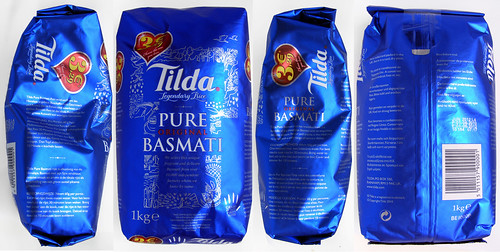
 Auteursrecht rijstverpakking. Slaafse nabootsing. Stijlkenmerk. Geen inbreuk. Tilda is gevestigd in het Verenigd Koninkrijk en verkoopt wereldwijd rijstproducten. Haar producten worden met name afgenomen door een van oorsprong Aziatisch publiek. Onder dit publiek is Tilda het bekendste rijstmerk. Eén van de producten van Tilda is de zogenaamde ‘Pure Original Basmati rijst’. In 2008 heeft Tilda voor deze rijst een nieuwe verpakking ontwikkeld.
 Uitspraak ingezonden door Kitty van Boven van


